
Query Letter
Hello Rad Agent or Dream Publisher,
I am seeking representation for HOW WE SURVIVE, a 119,000-word literary dystopian horror. My book is like PARABLE OF THE SOWER and GIRL WITH ALL THE GIFTS had a love child…but THE LAST OF US might be the baby’s daddy.
–
We let our own demise into our homes, playing with our children, and cuddled it in our beds. Once beneath our skin, it merely had to mutate.
When their father dies under mysterious circumstances, Loon, a city defense strategist, receives a call from their mother. A cat-borne parasite is spreading across the country. People are transforming into predators. Cities are collapsing. Loon needs to leave now.
There’s one problem. Their partner, Mara, comes with them. Eighteen years together, and Loon was finally ready to leave. But with the world burning, taking them along feels like the only choice. So they set out across the country together, navigating infected ferals, dwindling resources, and the question that haunts every mile: Can they survive each other when everything else is falling apart?
How We Survive is a queer-centered, Black-centered literary dystopian horror about found family, unraveling love, and the courage it takes to make decisions that will break one’s own heart.
–
How We Survive will appeal to readers of Celeste Ng’s Our Missing Hearts because it’s an intimate dystopian journey towards family and witnesses moving forward through loss. And Chlorine by Jade Song because of its raw moral complexity, which leans into pain over forgiveness. It sits next to queer-centered post-apocalyptic horrors like Manhunt by Gretchen Felker-Martin where loved ones transform into something unfamiliar and predatory, while providing unflinching depth that lingers in the reader’s mind.
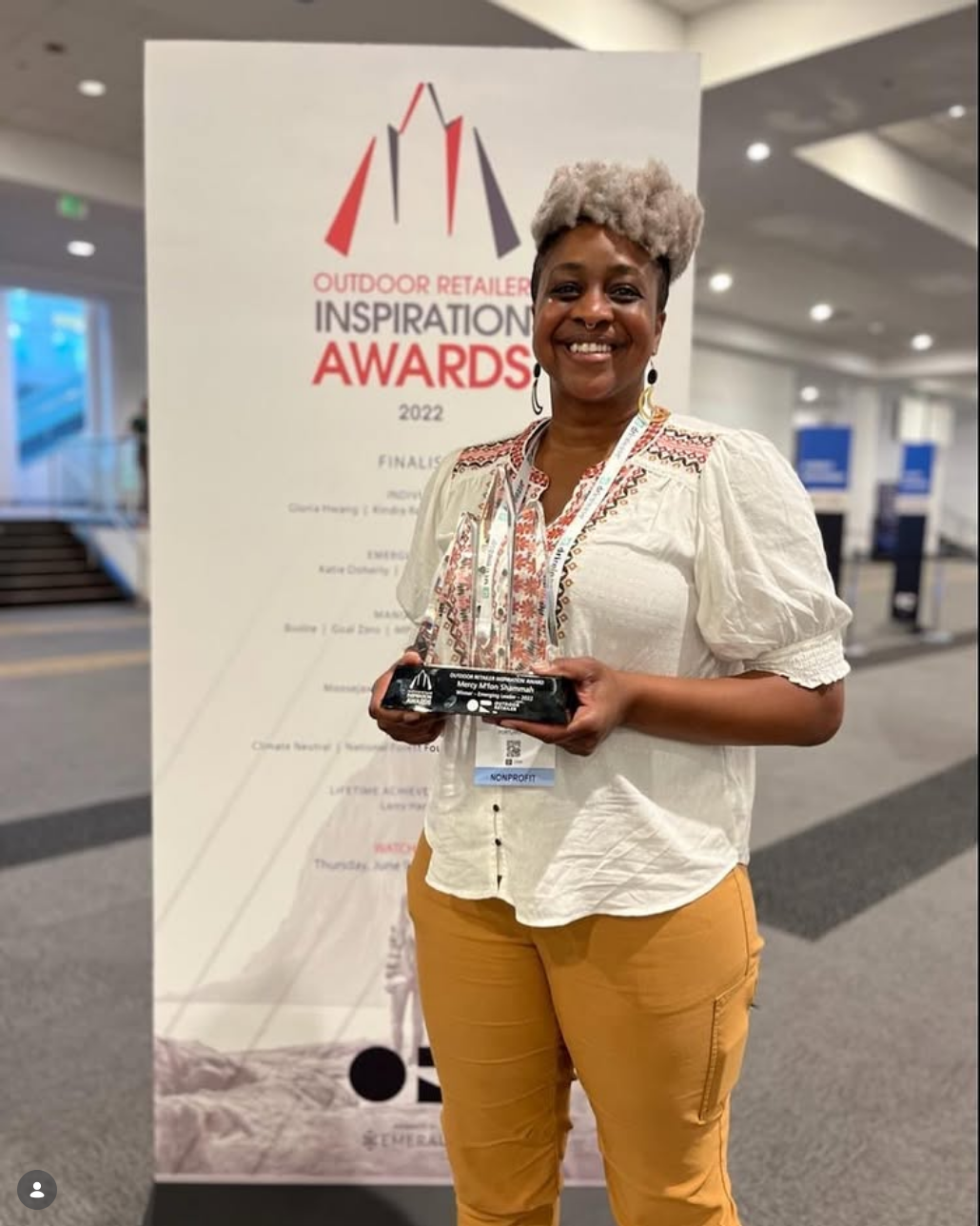
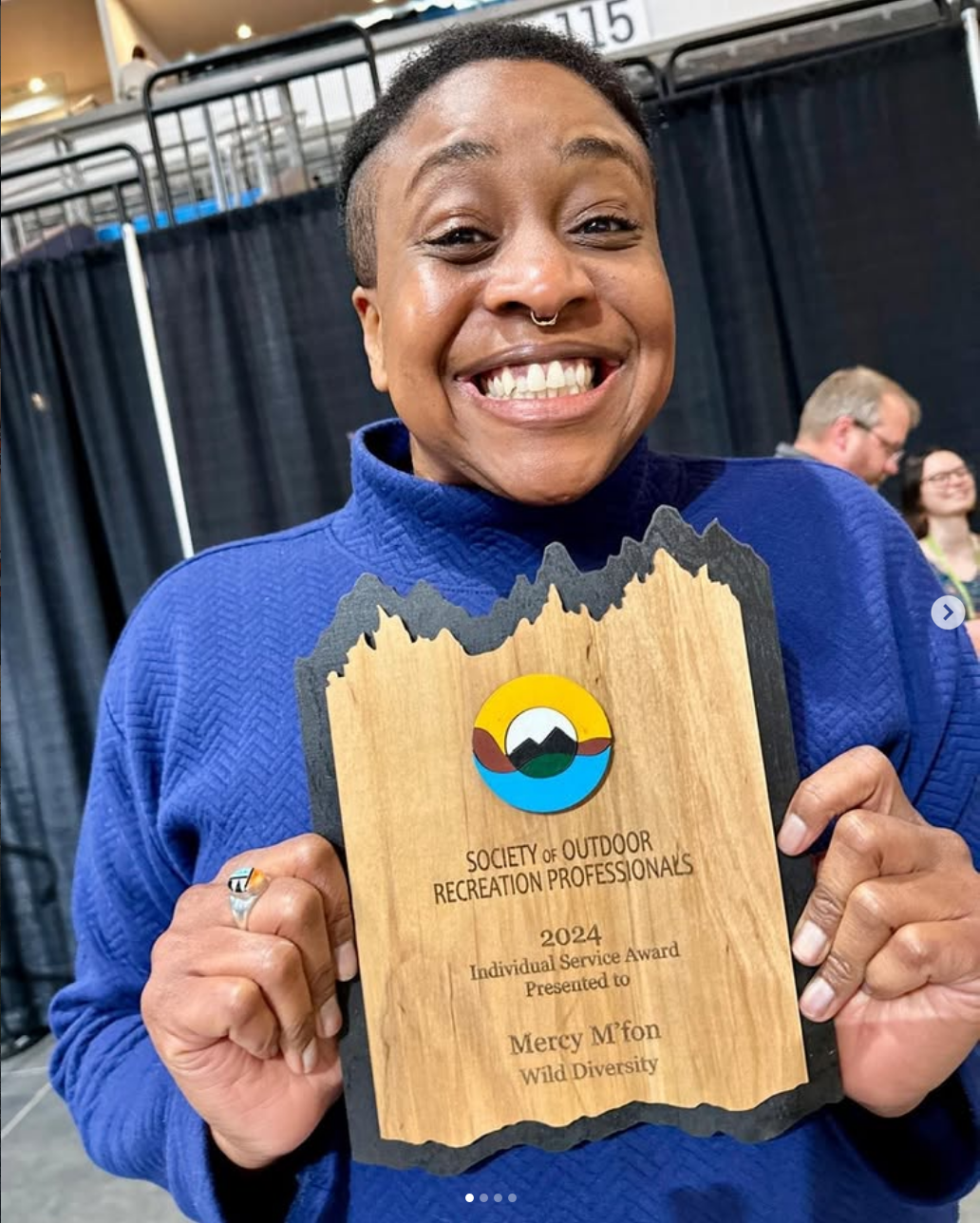
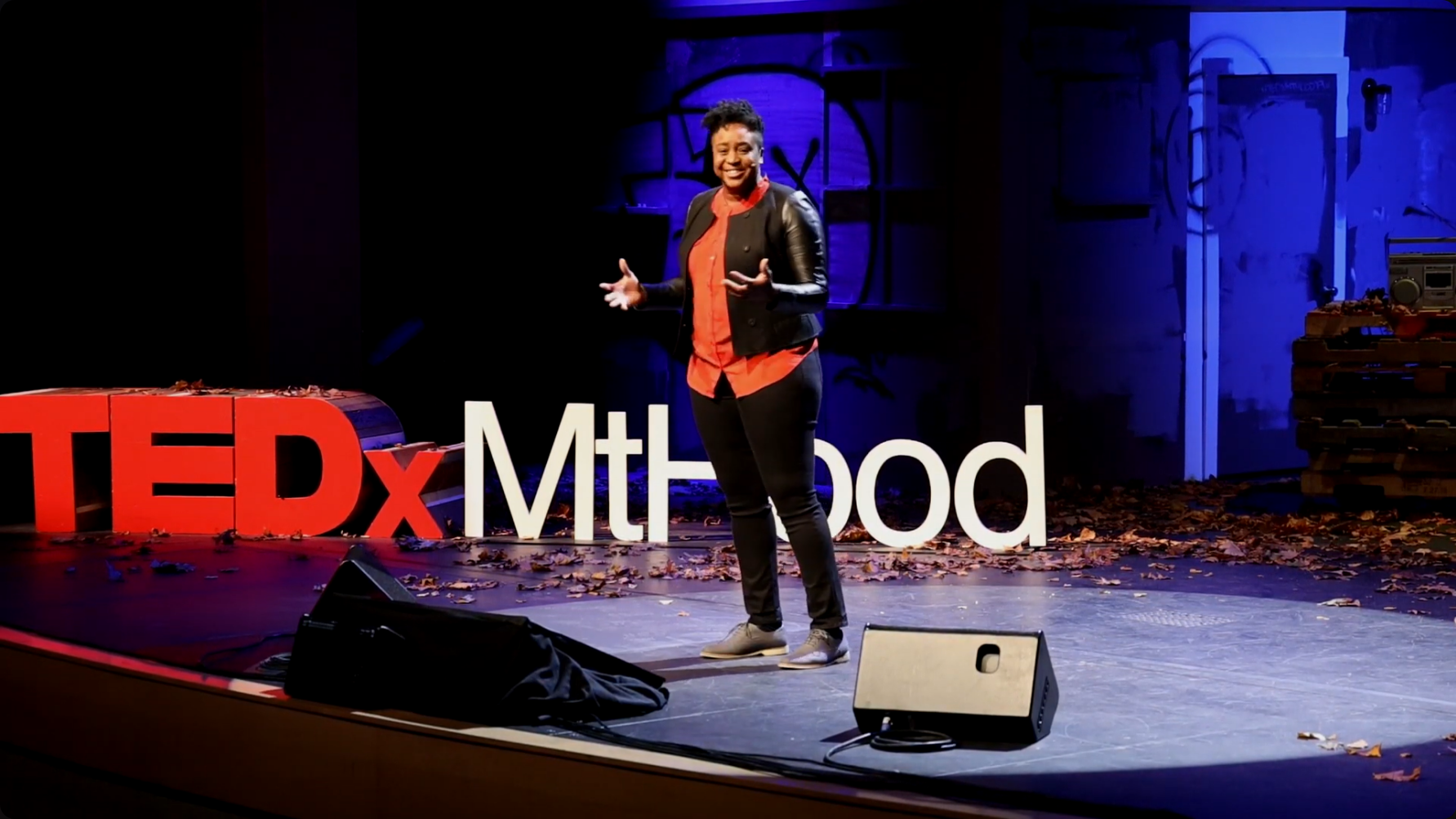
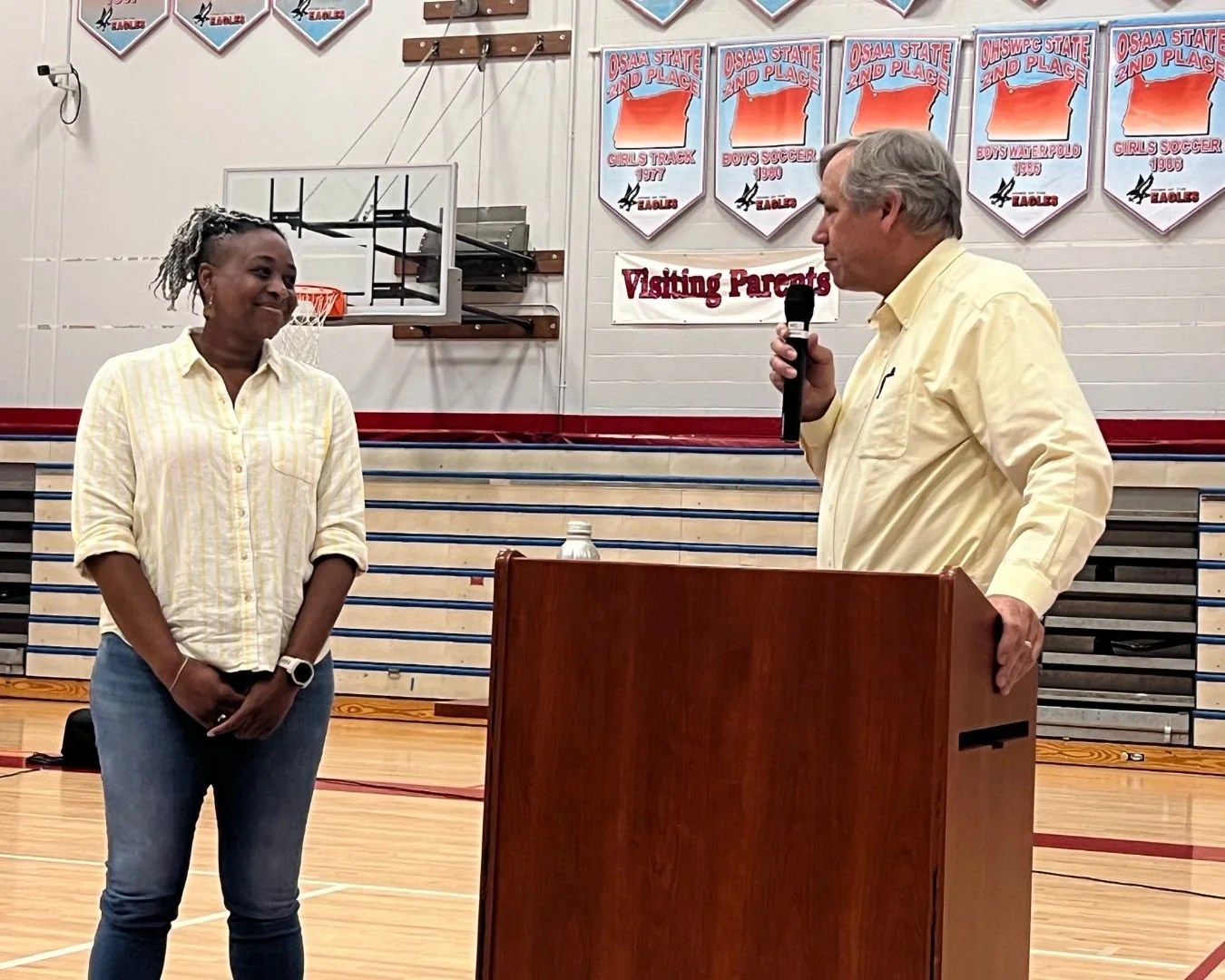
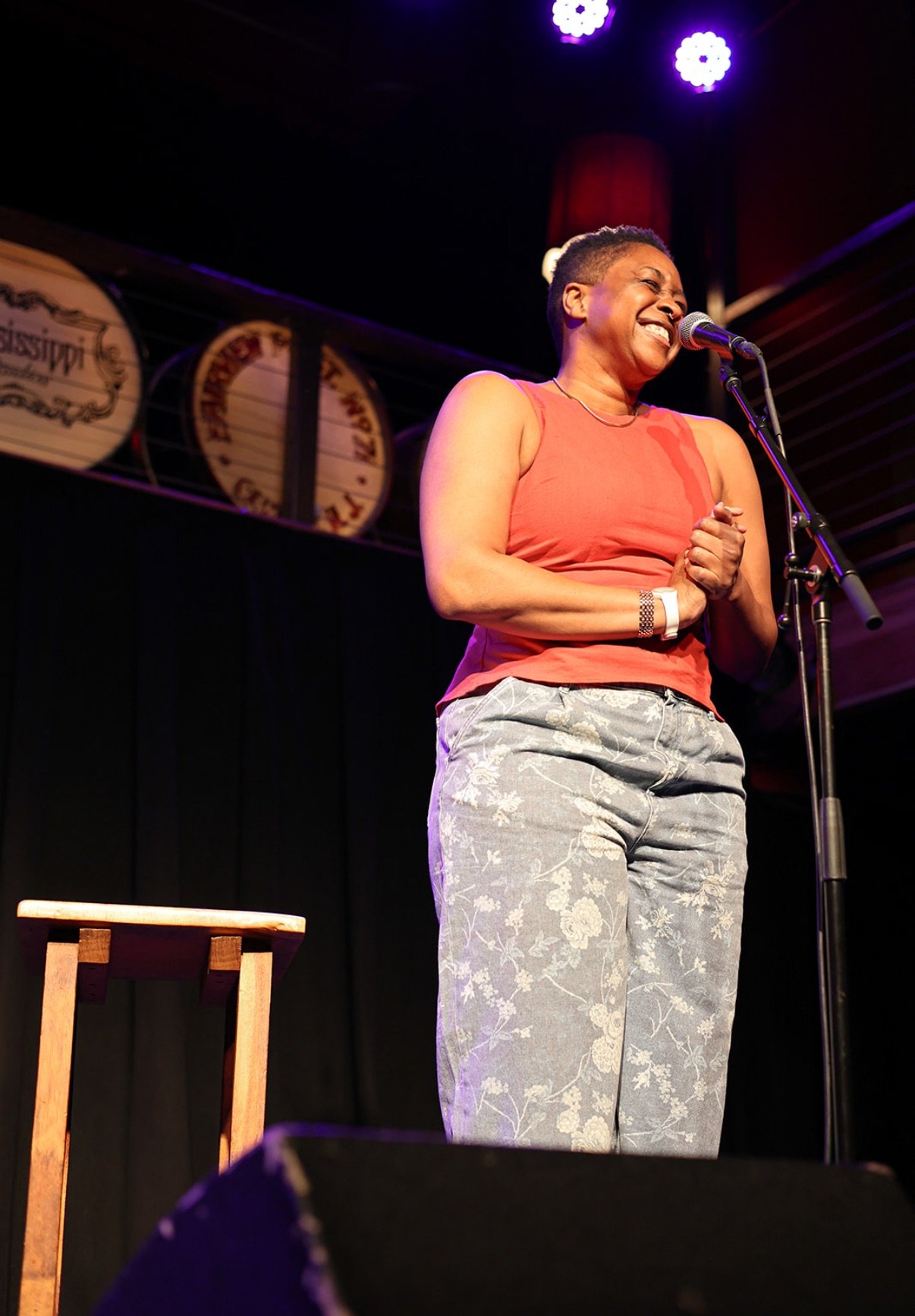
While How We Survive is my first novel, I’ve been a storyteller all my life. My work lives at the intersection of survival, identity, and belonging, and I’ve shared stories everywhere from TEDx Mt. Hood to Outdoor Retailer and SLANT, Portland’s live queer storytelling showcase. I’ve also led storytelling workshops for all kinds of communities and organizations, and my stories have found their way into national outlets like USA Today, Outside Magazine, and the documentary Our Trails Too. I bring an existing following of 18k through Instagram. My fiction grows directly from my lived experience as a Black queer creative and is grounded in themes of resilience, intimacy, and finding connection even when the world feels like it’s falling apart.
This book allows readers to connect with their own survival in the way that it bears witness to our darkest pain. Thanks for your time and consideration.
Mercy M’fon
About Mercy M’fon

Mercy M’fon (they/them) is a Black queer storyteller, writer, and community builder whose atmospheric work explores identity and belonging. Mercy’s novel, HOW WE SURVIVE, a literary dystopian horror, draws deeply from their lived experiences navigating resilience in times of erasure and upheaval. Their intimate understanding of what it means for marginalized communities to survive and create joy in the face of systemic collapse directly informs the novel’s characters, themes, and emotional depth. Mercy’s ability to weave together personal identity, community-building expertise, and a vision for futures forged out of crisis makes them uniquely positioned to bring this dystopian story to life and to connect it with readers hungry for both survival and hope.
In a second, a woman in her own jammies, sleep pants and an oversized tee, careened into the man. Her jaw hung open perversely. Where his eyes were peaceful, her eyes looked too wide and crazed. She nearly bounced off his enormous belly but held on to him with arms, legs, and fingers splayed. It could have been an aggressively horny embrace, but for the lady pulling back with a small slab of flesh in her mouth from his upper chest. She ground it between her teeth for two chews and dove in for more.
From
How We Survive
Around the room, wood details outlined the room. Wood jutted out, holding a lifetime of framed memories and smiling faces. In other places, moments of joy were pinned into the wood, hand-painted by children’s fingers. Vertical strips of wooden trim marked time and growth. Dates and repeating names rose to the height that Eduardo and Theresa now stood today. There was no wood in Loon’s room, nowhere to hold memories or time.